

Lofts are one of the most charming features in a home, whether it’s a cozy tiny home, a converted attic, or a modern studio apartment. They create usable square footage without taking up more floor space. But there’s one detail that often gets overlooked until late in the design process: how you access the loft.
Most people default to a loft ladder, but ladders can be limiting, uncomfortable, and even unsafe. If you’re in the dream or planning stage, this is the perfect time to consider a safer, more stylish option, a spiral staircase.
Why Homeowners Start with Loft Ladders
- Low upfront cost: Ladders are often included in loft kits.
- Small footprint: They take up little floor space.
- DIY-friendly: Many come pre-made for quick installs.
But those advantages come with trade-offs, especially once you’re living with it day-to-day.
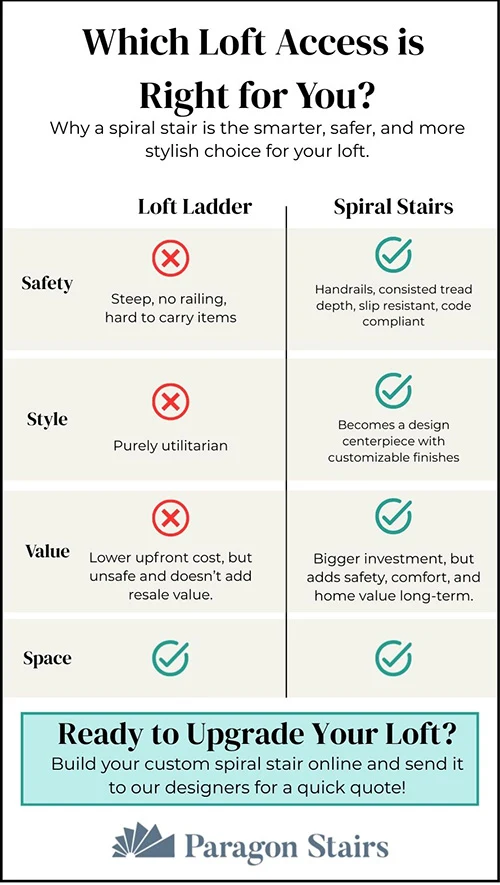
The Safety Problem with Loft Ladders
Loft ladders are not designed for heavy, everyday use. They’re best suited for occasional attic access, not daily life.
Key safety concerns include:
- Steep climb: Most loft ladders are closer to vertical than stairs, making them difficult to navigate.
- No handrail: You’re often climbing with nothing to hold onto.
- Slippery steps: Narrow rungs can be hard to grip with shoes or socks.
- Carrying items: Trying to bring laundry, bedding, or boxes up and down can be dangerous.
Explore safer loft stair options here
How a Spiral Stair Solves Safety Concerns
Spiral stairs are true stairs, just designed to save space. That means you get the functionality and safety of a staircase without giving up the small footprint you love about a ladder.
Safety upgrades you gain with a spiral stair:
- Handrails included for secure climbing and descending.
- Consistent tread depth that feels like real stairs.
- Non-slip surfaces available for everyday use.
- Code-compliant designs for permanent installation (vs. ladders, which often don’t meet code for daily access).

Style Upgrade: From Utility to Design Feature
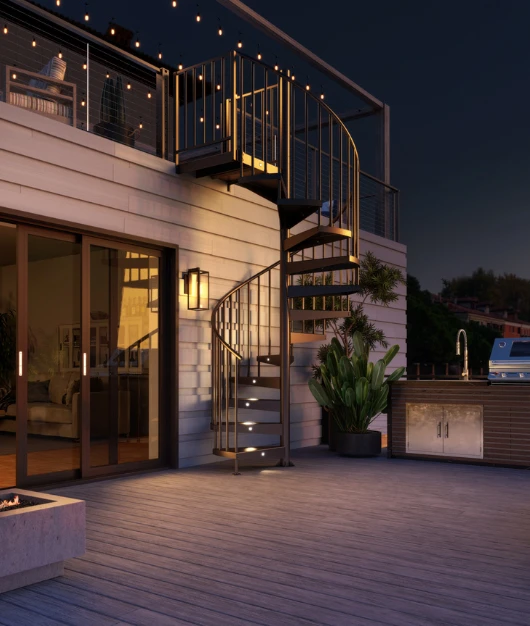
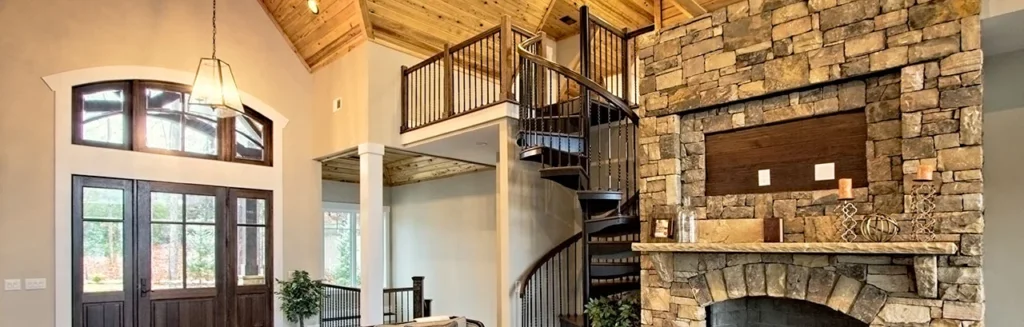
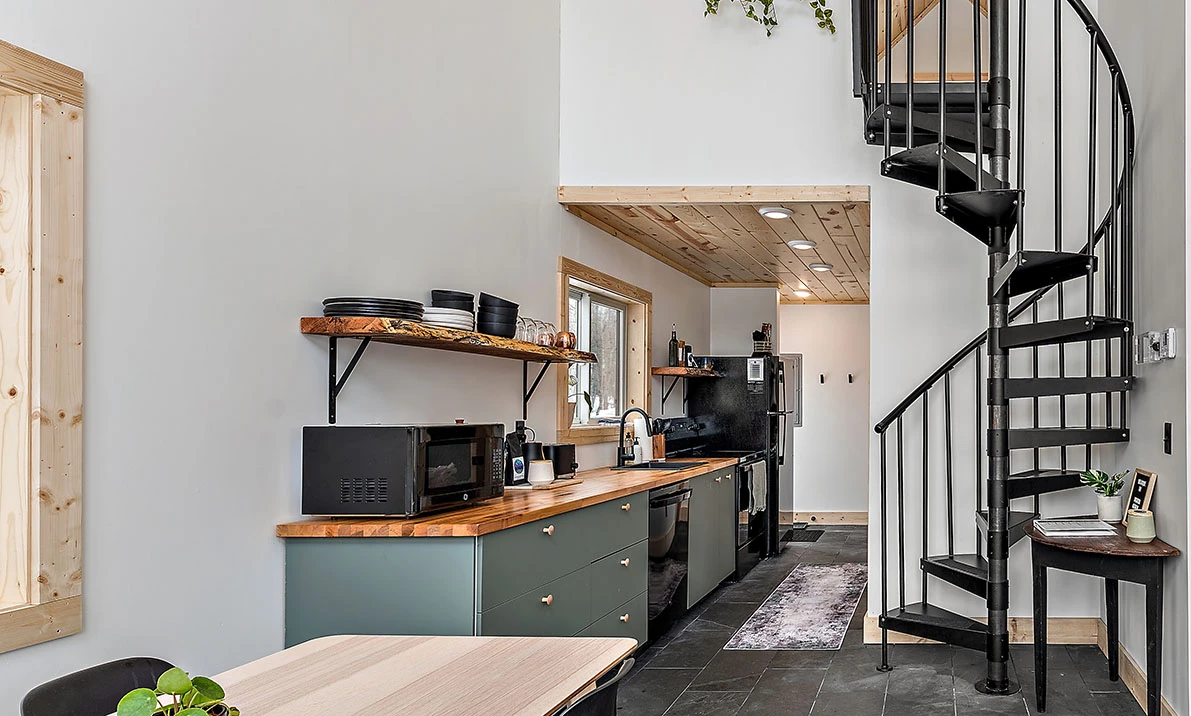
A ladder is purely functional. A spiral staircase, on the other hand, becomes a centerpiece. In a loft, it can tie together the upper and lower levels, acting like a sculptural element in your design.
Style advantages of a spiral stair:
- Matches your interior vibe: industrial, farmhouse, minimalist, or traditional.
- Customizable railing styles that blend safety with design.
- Adds resale value: buyers see a permanent stair as a premium feature.
View more spiral stair styles here
Space Efficiency: Just as Compact as a Ladder
One of the biggest myths is that spiral stairs will take up too much space in a small home or loft. In reality, they’re one of the most space-efficient stair designs available.
- Small footprint: Spirals tuck neatly into a corner or against a wall.
- Custom diameters: Sizes start as small as 3’6” to fit tight spaces.
- Open design: The circular shape allows light to flow through, keeping the loft open and airy.
Everyday Living: Why a Spiral is the Long-Term Win
When you’re planning your loft, it’s easy to focus on the initial install. But think long-term: you’ll be using this loft every single day.
Ask yourself:
- Will a ladder still feel safe carrying laundry up at night?
- Will guests feel comfortable climbing into the loft?
- Does the access point add or detract from the look of my space?
For most homeowners, a spiral stair pays for itself in daily ease, safety, and design impact.
Spiral Stairs for Tiny Homes
The tiny home community has especially embraced spiral stairs because they solve two problems at once:
-
- Safe, permanent loft access for sleeping areas.
- Stylish footprint that doubles as a design feature in compact interiors.
Many builders now recommend spirals as the go-to over ladders, especially for full-time living.
How to Choose the Right Spiral Stair for Your Loft
-
- Measure your space: Know the loft height and available floor area.
- Pick your diameter: Compact sizes are available for tight footprints.
- Choose a material: Steel for modern, wood for warm interiors, aluminum for outdoor lofts.
- Select railing style: From simple spindles to sleek glass or cable railing.
Cost Considerations: Ladders vs. Spirals
- Ladders: $200–$800 for basic wood or metal.
- Spiral Stairs: Starting around $2,000 for steel kits, with fully customizable designs available.
While a spiral costs more upfront, it’s a permanent, code-compliant solution that adds safety and style. It’s an investment in both daily living and long-term home value.
A Safer, Smarter, More Stylish Choice
If you’re weighing a loft ladder against a spiral staircase, think beyond just the install day. A spiral stair gives you the safety of real stairs, the style of a design centerpiece, and the long-term comfort of knowing your loft is built for everyday living.
Ready to upgrade your loft with a spiral stair? Build Your Stair Online!


